
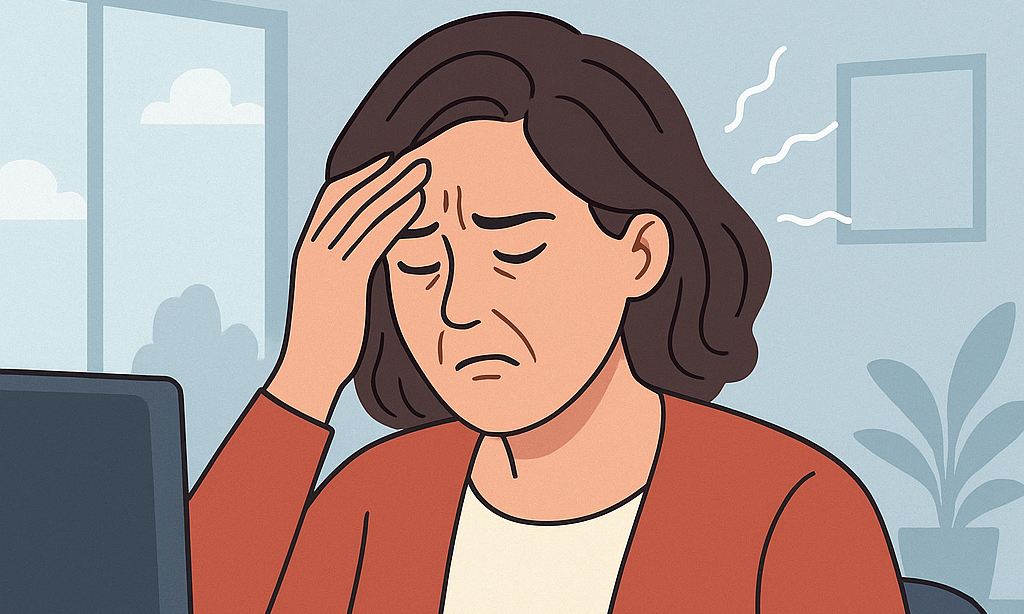
Menopause is a natural stage of life that affects almost half of the population, yet it remains one of the least talked-about workplace issues. In the UK, over 3.5 million women aged 50 and over are in work, and many will experience symptoms that impact their professional lives. From hot flushes and fatigue to anxiety, difficulty concentrating, and disrupted sleep, the effects of menopause can be significant.
Why should employers care?
Retention & talent: Women over 50 are the fastest-growing group in the UK workforce. Supporting employees through menopause helps businesses retain skills and experience.
Legal considerations: Under the Equality Act 2010 and Health & Safety at Work Act, employers may have a duty to make reasonable adjustments for employees experiencing menopausal symptoms.
Workplace culture: Breaking the stigma encourages open conversations and builds a more inclusive, supportive workplace where everyone can thrive.
Practical steps for HR & managers
Create a menopause policy and raise awareness through training.
Offer flexible working arrangements where possible.
Provide access to resources and support networks.
Ensure managers are confident discussing menopause sensitively.
The bottom line
Addressing menopause in the workplace isn’t just about compliance—it’s about wellbeing, equality, and making sure employees feel valued at every stage of their careers. By recognising the impact of menopause and offering practical support, employers can build healthier, happier, and more productive workplaces.
